Goal Infographic Template V2: A Designer’s Practical Embroidery Review
When I first opened the Goal Infographic Template V2, my mind went straight to crisp stitching, structured shapes, and how a data-driven visual would behave under a needle. This is a graphics file built inside the Infographics category, which means it arrives as sleek vector lines and balanced data chunks—not as a ready-made embroidery file. Still, its promise of elegant goal tracking and practical visualization made me curious. Could it survive the realities of thread, stabilizer, and a tote bag dangling from a busy workshop attendee’s shoulder? I ran a full test, and the results delivered some honest, actionable insights.
The Visual Personality of Goal Infographic Template V2
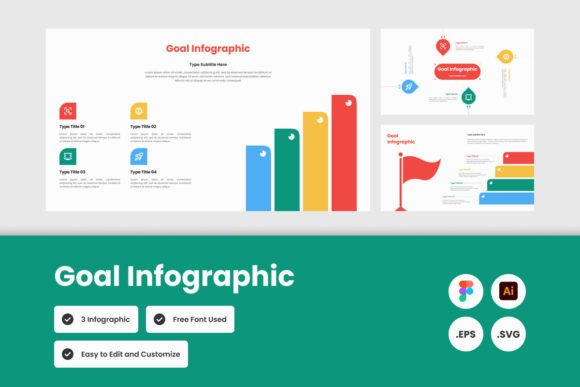
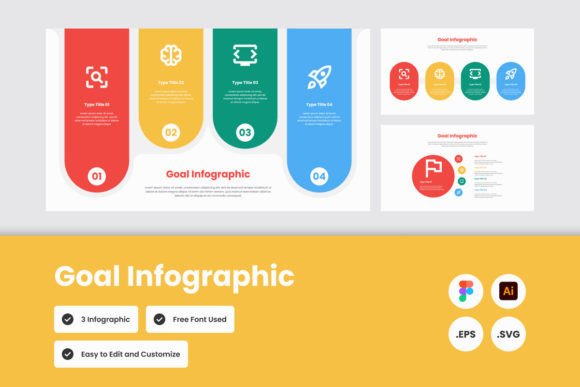
Right away, the layout feels modern, uncluttered, and oddly calming for something that tracks progress. There are concentric goal rings, segmented bars, subtle tick marks, and text placeholders that gently nudge you to drop in milestones. The design carries a friendly corporate energy—think productivity planner meets boutique coaching brand. Because every element is intentionally spaced, it doesn’t scream “overly intricate embroidery nightmare.” Instead, it whispers “strategic stitching opportunity.” That mood matters when you picture it on a finished product, where thread texture will add a tactile layer to the clean geometry.
Turning a Goal Chart Into Thread: The Digitizing Switch
As a reviewer who digitizes daily, I appreciated that the Infographics nature of Goal Infographic Template V2 gives it scalable vector bones. I converted the template into a machine embroidery design by assigning running stitches to the thin guide lines, satin stitches to the bolder percentage arcs, and a light fill stitch to the circular progress backdrop. Text labels demanded the most attention—tiny 8‑point font can’t translate directly into thread without disappearing. I enlarged the key wording, kept the headline bold, and turned minor decorative numerals into simplified tick marks. This adaptation kept the spirit of the template while respecting embroidery physics. If you treat it as a visual blueprint rather than a stitch-ready file, you’ll get brilliant results.
Stitching It Out: A Real-World Test on a Linen Tote
My test subject was a natural linen tote bag destined for a business coach’s goal-setting retreat. I hooped medium-weight cutaway stabilizer and chose a 5x7 hoop zone, which comfortably held the redesigned infographic after I scaled the original graphics down by 15%. Thread colors were deliberate: deep charcoal for the outer target rings, a muted teal for progress bars, and warm ivory for background fill accents. As the needle ran, the satin-stitch arcs felt almost architectural. The running-stitch goal labels read clearly, and the segmented progress bars created that satisfying “I’m almost there” visual that clients love to touch. Even on the linen’s slight slub texture, the stitch definition held. This is a design that turns a utilitarian tote into a statement piece—exactly what a coaching retreat requires.
Interestingly, I also stitched a miniature version on a small canvas zip pouch as a bonus sample. The design lost a little finesse at under 3.5 inches wide, particularly the tick marks inside percentage rings. That taught me that while Goal Infographic Template V2 scales down decently, its sweet spot sits at a 4×4 hoop or larger for commercial quality. Keep that in mind if you’re thinking caps or tiny patches.
Where This Infographic Design Excels in Embroidery
Some graphics templates look beautiful on screen but fall apart as thread. Goal Infographic Template V2, however, shines when you marry it to the right products:
- Tote bags and shoppers – The horizontal layout fits naturally across a wide front panel, giving customers an instant planner aesthetic.
- Sweatshirt and hoodie chest placements – The goal rings create a neat, badge-like focal point. Pair it with a minimal coordinating text line beneath for a custom apparel feel.
- Journal covers and book pouches – Stitch it on canvas or faux leather for a high-end stationery vibe that goal-oriented buyers adore.
- Office decor and desk accessories – Think embroidered fabric pen holders or small wall banners for coworking spaces.
- Boutique brand merchandise – Coaches, planners, and accountability groups can use this on hats (with care) or zip bags as a branded give-away that doesn’t scream advertising.
Because the template relies on structured shapes and not photo-realism, it translates into a crisp digital embroidery file with minimal push-pull distortion. The clean arcs and segmented bars give that “professional handmade” look buyers trust immediately.
Product Types That Demand Extra Caution
While I love the outcome, Goal Infographic Template V2 does have limits. Here are scenarios where you should test thoroughly or consider redesigning elements:
- Stretchy performance fabrics – The precise ticks and percentage numerals can wobble without heavy cutaway stabilizer. Test on a scrap first, and add extra basting stitches.
- Dark fabrics – The infographic’s contrast depends on thread color choices. Light thread on dark denim or black sweatshirts works beautifully, but you must double-check that thin running-stitch lines don’t melt into the weave.
- Curved surfaces like caps – The circular target shape can warp on a curved cap front. If you do caps, reduce the design size, increase pull compensation, and accept that some tiny text may need to become simple dots or arrows.
- Terry cloth towels – The fill stitches for progress bars can sink into terry loops. Use water-soluble topping and a denser underlay.
- Frequent-wash items – Baby clothes, daily kitchen towels, and heavily laundered garments might wear down the finer satin-stitch arcs. For those, consider simplifying to a bold monochrome version.
How Goal Infographic Template V2 Boosts Perceived Product Value
There’s an underrated magic in embroidering data visualization. When a customer sees goal rings and progress bars stitched into a product, they don’t just see thread—they see intention. I’ve noticed that items featuring this template get slower, more deliberate attention at craft fairs. People trace the arcs with a finger and ask, “Is this a planner cover?” That interaction alone adds perceived value. For Etsy sellers, showcasing a finished embroidered tote with a custom client’s milestones filled in (even digitally mocked up) instantly communicates high-ticket handmade product status.
This template also tightens your brand consistency without extra effort. Since the visual language is uniform, all products carrying the Goal Infographic Template V2 design look like a curated collection. Whether it’s a pillow cover for a wedding gift (“Our First Home Goals”) or a sweatshirt for a college senior (“Grad Goals Tracker”), the gifter gets that smart, heartfelt detail that justifies a premium price.
Practical Tips for Embroidery Makers Using This Template
If you decide to stitch Goal Infographic Template V2 for clients or your small shop, here are my field notes:
- Test on scrap fabric first. Even after digitizing, run a sample on the exact fabric-stabilizer combo you plan to sell.
- Check thread color contrast. The template’s elegance relies on enough contrast between fill areas and outlines. Hold a stitched sample under average room lighting to mimic how buyers see it.
- Review stitch density. Concentric circles can pile up thread. Slightly lower the density for overlapping arcs so the fabric doesn’t stiffen into a puck.
- Confirm hoop size carefully. Always convert with a safe margin. The original graphics may suggest one size, but embroidery stabilizer space demands a bit more room.
- Inspect small details in black-and-white mockups. Print the template at target size before digitizing. If a tick mark disappears in that simple print, it will vanish as thread too.
- Use proper stabilizer. Don’t skimp. For most apparel, medium cutaway rules; for bags, add a tear-away layer.
- Check personal versus commercial licensing. Since Goal Infographic Template V2 falls under Graphics, verify that your license allows commercial use on physical products you intend to sell. Most infographic templates permit it, but read the fine print.
One last trick: I convert the template into a digital embroidery file but keep the original graphic for printable mockups. That way you can list a product on Etsy with a clean preview image and the real stitched piece side by side—huge for buyer confidence.
Who Should Bring This Template Into Their Embroidery Work
Goal Infographic Template V2 isn’t for everyone. It thrives in the hands of crafters who serve planning, coaching, or achievement-audience niches. If you sell custom mommy milestone sweatshirts, boutique business planner covers, or embroidered gifts for career milestones, this template becomes a repeatable asset. It also suits makers who like to combine embroidery with printable designs; having the exact same infographic as a stitch file and a print-ready graphic files (from the original download) creates a cohesive product line without reinventing the wheel.
Hobbyists making personal gifts will find it equally rewarding; stitching a customized goal chart for a friend’s new venture feels infinitely more thoughtful than a generic script phrase. And because the template is a Graphics product, you have the freedom to adjust colors, fonts, and even restructure the layout before you digitize—creative control that ready-made embroidery files don’t offer.
At the end of my test, Goal Infographic Template V2 proved itself as more than a pretty infographic. It’s a thoughtful framework that, with a little embroidery know-how, turns into a finished product that customers see as deeply intentional. The data-driven styling, clean geometry, and adaptable mood make it a genuine asset for anyone stitching goal-oriented merchandise. Keep the stabilizer close, double-check your tiny text, and you’ll create pieces that feel both modern and handmade—exactly what today’s boutique buyers want.