Geometric Shaped Infographic Embroidery Design Review
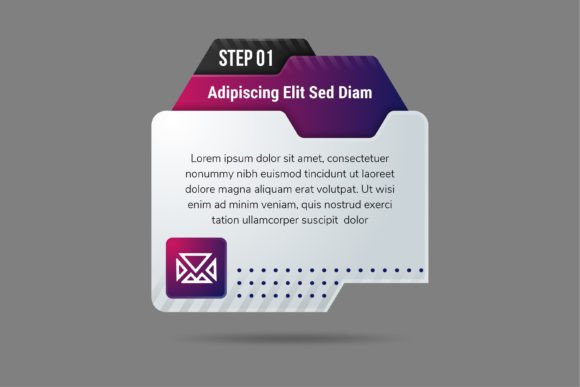
When I first opened the Geometric Shaped Infographic file, I immediately saw a design that blends modern information aesthetics with a clean, almost editorial mood. This is not a typical floral or whimsical embroidery motif. Instead, it offers a structured three-step layout with colorful gradient transitions, transparent diagonals, and soft circle patterns woven through the composition. The whole thing feels like it belongs on a boutique product, a small-batch business accessory, or a handmade item that wants to signal clarity and contemporary style.
As someone who tests embroidery files on real fabric before ever listing a finished piece, my mind went straight to a practical scenario. I pictured a custom tote bag for a creative entrepreneur who runs workshops. The three gradient steps in the Geometric Shaped Infographic could represent phases of a process, which makes this design surprisingly narrative. A client might see those colorful diagonal layers and read them as progress, movement, or transformation. That changes the way I think about using it. This is not just decoration. It is visual communication stitched into fabric.
The Mood and Personality of the Design
There is a quiet confidence in the Geometric Shaped Infographic layout. The diagonal elements give direction without being aggressive. The transparent circle patterns soften the geometry, so the finished embroidery does not feel cold or overly corporate. It lands somewhere between a modern brand mark and an abstract art piece. For a handmade shop owner or an Etsy seller, this balance is valuable. It means the design can appeal to customers who like minimalist style but still want some color and depth.
The gradient effect is one of the defining features here. In embroidery, gradients are tricky to execute well because thread is solid. The designer appears to have considered this by breaking the gradient into distinguishable steps rather than a smooth blend that would lose definition in stitching. The three distinct color stages should translate clearly into separate thread zones, which helps maintain legibility on textured fabric.
Where This Design Naturally Belongs
I can see the Geometric Shaped Infographic working beautifully on flat, stable surfaces where the graphic nature of the piece can be appreciated. A structured tote bag is an obvious choice. The broad canvas of a tote lets the diagonals breathe and keeps the circle elements from feeling cramped. A pillow cover is another strong candidate, especially in a home office or creative studio setting where the infographic vibe fits the environment.
For apparel decorators, I would lean toward sweatshirt embroidery rather than thin t-shirts. Sweatshirt fabric offers a more forgiving foundation for a design with diagonal lines and sharp transitions. A lightweight cotton tee might pucker around the angled edges if the stabilizer is not dialed in perfectly. I would also consider this for an apron, particularly for someone in a teaching or design field where the infographic theme resonates with their work identity.
When I think about the small business merchandise angle, this design has real potential for coffee shop owners, co-working space operators, or anyone offering services in clearly defined steps. The three-step structure of the Geometric Shaped Infographic could be a subtle branding element on a cap or a patch for a team. The design does not scream for attention, and that restraint makes it more versatile than something loud and overtly promotional.
A Real Project Walkthrough
Let me talk through an actual project I would run with this file. I have a client who sells handmade kitchen towels and matching aprons at local markets. She wanted something fresh for her spring collection, something that felt structured but not masculine. I pulled up the Geometric Shaped Infographic and visualized it on a linen-blend towel in soft thread colors.
Immediately, I knew I needed to test the transparent circle pattern on that particular fabric. Linen has a natural slub texture that can disrupt fine circular details. I ran a sample on scrap fabric first, adjusting the stitch density slightly to make sure the circles read clearly without pulling the weave out of shape. The diagonal elements stitched beautifully with a medium fill stitch, and the three gradient blocks held their distinction even from a distance. The client loved how the design looked like a custom brand element rather than a generic decorative motif.
This experience confirmed something I always tell fellow makers. The Geometric Shaped Infographic needs a thoughtful fabric match. Too much texture, and the circles lose their edge. Too dark a fabric, and the transparent layering effect might not show up unless thread colors are carefully chosen for contrast.
Stitching Performance and Practical Notes
From a technical embroidery perspective, there are a few things worth mentioning. The high resolution at 300dpi suggests the digitized version should have clean pathing, but I always recommend loading the file into your embroidery software and reviewing the stitch sequence before hooping anything. Check how the machine will travel between the diagonal sections and the circle elements. If there are long jumps, those can be trimmed or adjusted to reduce thread waste and prevent snags.
Thread color selection matters more for this design than for many others I test. Because the Geometric Shaped Infographic relies on a gradient effect, your thread choices will either enhance or flatten the entire piece. I recommend laying out three thread spools side by side under natural light before committing. The transition from one shade to the next should feel intentional, not abrupt. A color family with subtle shifts works better than high-contrast jumps unless you want a deliberately segmented look.
Stabilizer choice also deserves attention. For tote bags and pillow covers, a medium-weight cutaway stabilizer gives long-term durability without adding stiffness. For a sweatshirt, I use a tear-away with a light fusible mesh backing to keep the diagonal lines crisp through washing. If you plan to embroider this on a cap, be extra cautious. The curved surface of a cap distorts straight lines and angles. The diagonals in the Geometric Shaped Infographic might warp on the side panels, so test on a practice cap first or stick to the front center panel where the curvature is less extreme.
Small Details That Make a Difference
The transparent circle pattern is the most delicate part of this design. On a high-quality embroidery file, those circles should be rendered with a light running stitch or an open fill that allows the fabric to show through, creating the transparency effect. If the stitch density is too heavy, the circles become solid and the layered look disappears. I always check this on a test run before approving any final product.
The diagonal lines also deserve a close look. Clean diagonals in embroidery require precise digitizing because the machine head naturally handles vertical and horizontal lines more smoothly. The fact that this design includes diagonals suggests the digitizer paid attention to angle management. However, I still examine the stitch direction in the software preview to make sure the thread lays flat and does not create ridges that catch light awkwardly.
Commercial Use and Business Considerations
For Etsy sellers and small shop owners, the Geometric Shaped Infographic offers good commercial flexibility. The design is abstract enough to work across multiple product categories without looking repetitive. You can use it on a set of matching items, a tote bag, a pillow cover, and an apron, and the collection will feel cohesive rather than cloned. That is a real advantage when building a product line for craft fairs or online listings.
Before selling finished products with this design, confirm the licensing terms. The product description mentions this file is great for creating, but commercial usage rights should be verified directly with the source. As a matter of professional practice, I never assume a design includes commercial embroidery rights unless explicitly stated. This protects your business and respects the original creator.
I also recommend testing this design in a black and white preview. Many customers shop on mobile devices and see listing images in different color settings. If the Geometric Shaped Infographic holds its structure and readability in grayscale, your product photos will communicate clearly even on imperfect screens. This small step has saved me from disappointing customer experiences more than once.
Where to Use Caution
This design is not ideal for every project. I would avoid using the Geometric Shaped Infographic on heavily textured fabrics like fleece or terry cloth. The circle elements and diagonal edges will blur, and the crisp infographic feel will soften into something muddy. Thin fabrics that stretch easily, like jersey knits, can also distort the geometric shapes during hooping and stitching. If you must use a stretchy base, a heavy stabilizer and careful hooping technique are non-negotiable.
Small hoop sizes present another challenge. The design description mentions three steps of colorful gradient layout, which suggests a wider horizontal or vertical spread. If your machine has a compact embroidery field, check the actual dimensions of the file before purchasing. You may need to resize the design, and resizing always affects stitch density and detail clarity. I strongly prefer using this design at its intended scale to preserve the relationship between the diagonals and circles.
Frequent washing is another factor. Items like kitchen towels and baby clothes go through harsh laundry cycles. The fine circle stitching could wear down over time if not properly stabilized and digitized with adequate underlay. I address this by using high-quality polyester thread, which holds up better to washing than rayon, and by adding a layer of fusible backing on items expected to see heavy use.
Customer Reaction and Perceived Value
In my experience, customers respond to designs that feel intentional. The Geometric Shaped Infographic carries a sense of purpose because its structure suggests information and meaning. When a buyer sees this on a handmade product, they do not just see a pretty pattern. They see something that looks curated and thoughtful. That perception supports higher pricing and repeat purchases, especially for boutique and gift-oriented items.
For personalized gifts, this design works well because it does not impose a specific theme. You can add a name or short text near the design without clashing. The three-step gradient layout even provides a natural place to incorporate monogramming or a small custom message. I have used similar infographic-style designs for wedding gifts, where couples appreciate the modern aesthetic over traditional embroidery motifs.
If you sell digital embroidery files or offer custom stitching services, the Geometric Shaped Infographic also works beautifully in printable mockups and design asset previews. The clean lines photograph well, and the gradient effect gives depth in flat images. This makes your listings look more professional and helps buyers visualize the finished product clearly.
Final Thoughts from the Stitching Table
After evaluating the Geometric Shaped Infographic from multiple angles, I see it as a strong addition to a maker's design library, especially for those serving customers who appreciate modern, minimal, and communication-driven visuals. The high resolution at 300dpi provides a solid foundation for clean embroidery output. The three-step gradient structure gives you creative flexibility, and the transparent diagonal and circle elements add enough visual interest to keep the design from feeling static.
The key to success with this file is preparation. Test on your chosen fabric, dial in the stabilizer, confirm hoop compatibility, and choose thread colors that honor the gradient intent. Do those things, and the Geometric Shaped Infographic will stitch out cleanly and elevate your handmade products in a way that generic designs simply cannot.