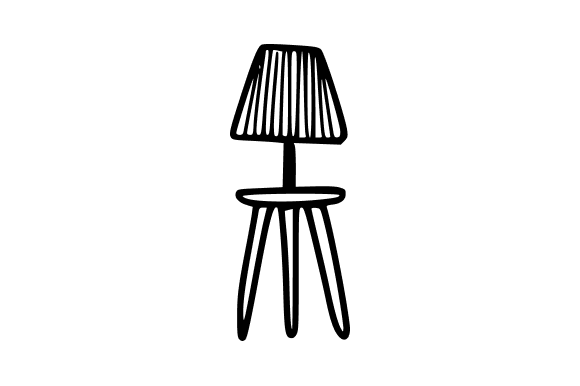
Lamp Hand Drawing in Graphics and Illustrations
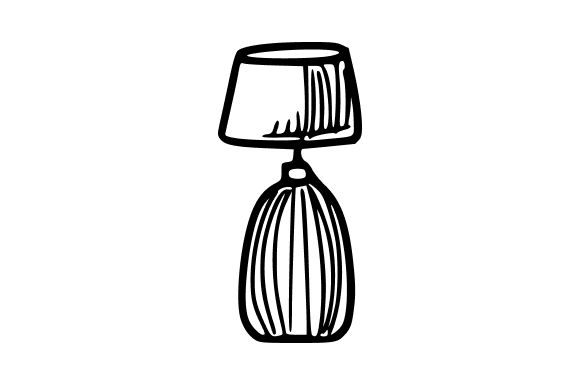
When I opened the file for Lamp Hand Drawing, my first thought was whether it could hold its own inside a competitive creative marketplace. I spend a lot of time testing assets before they ever appear in a live listing, and with this one, I needed to see how it performed across different product formats before making any decisions. The visual personality leans toward a hand-rendered warmth that doesn't feel overly polished, which immediately gave me ideas for products where a more organic, approachable look matters.
The mood sits somewhere between cozy and decorative. It has enough presence to anchor a simple printable wall art piece, but the style also feels casual enough for planner stickers or a greeting card. Buyers searching for something that doesn't look mass-produced will likely pause on this. The niche appeal cuts across home decor lovers, stationery fans, and small business owners who want their branding to feel more personal. When I tested it inside a mockup preview, the thumbnail stopped feeling generic, and that change alone made me pay closer attention.
Testing Lamp Hand Drawing Across Sellable Formats
Before listing anything with Lamp Hand Drawing, I ran it through several product scenarios on my test bench. The goal was simple: find out where it adds genuine value and where it creates friction. I started with printable wall art because that category rewards illustrations that carry enough visual weight without needing extra elements to fill space. At 300 DPI on a high-resolution canvas, the black linework stayed crisp and didn't break apart. That's the first checkpoint I always look for. If an asset can't survive a print test, it never sees a listing.
Next, I converted it into a PNG design with transparency and layered it onto mug mockups, tote bags, and a simple cotton t-shirt mockup. On lighter backgrounds, the drawing translated well. The lines held their character, and the overall composition didn't feel like it was fighting for attention. For print-on-demand sellers, this matters because the design has to work at different scales across product catalogs without losing its identity.
For Cricut users and crafters who sell physical finished goods, I checked how the lines would translate into a cut file. If you are offering this as an SVG design, you need to inspect the path structure. Some hand-drawn illustrations carry too many open paths or complex nodes, which slow down cutting machines and frustrate buyers. Lamp Hand Drawing had a manageable path count, but I still recommend doing a test cut on adhesive vinyl before packaging it into a digital download bundle. Your customers will expect clean weeding and smooth transfer results, and your reviews depend on that experience.
Building Product Bundles Around a Single Asset
One strategy I lean on when reviewing a graphic design asset like this is imagining how it behaves inside a bundle. A standalone lamp illustration might not carry a whole shop, but pair it with complementary elements and suddenly you have a collection buyers perceive as higher value. I tested Lamp Hand Drawing alongside simple botanical silhouettes, subtle geometric frames, and a few handwritten-style sentiments. The result felt cohesive enough for a seasonal digital download pack or a cozy home decor bundle.
If you sell clipart or illustration packs on Etsy or Creative Fabrica, this asset fits best when the theme revolves around reading nooks, quiet evenings, vintage interiors, or minimalist home styling. The hand-drawn quality also pairs well with rustic and bohemian aesthetics. For Canva template sellers, this illustration can serve as a decorative accent inside invitation designs, social media graphics, or ebook covers. Placed in the corner of a layout, it adds texture without dominating the message.
One practical approach is to test the asset inside three different listing mockups before committing. Use one flat lay, one framed print scene, and one lifestyle shot. Compare the thumbnail impact across all three. If the illustration looks lost in one but strong in another, adjust your lead product image accordingly. Your marketplace listing depends heavily on that first click.
Where Lamp Hand Drawing Performs Best
From my testing, Lamp Hand Drawing delivered the strongest results in categories where illustration detail supports a mood rather than just filling space. Printable wall art, especially in minimalist or Scandinavian-inspired shops, felt like a natural fit. Greeting cards with simple interior messages also benefited from the hand-drawn character. I could see this working inside a reading-themed sticker set or a bookmark design where the lamp becomes a small focal point.
- Printable wall art for home office or reading nook decor
- Greeting card designs with warm, personal messaging
- Planner sticker sheets and journaling kits
- Simple tote bag prints with minimal text overlays
- Canva template accents for blog graphics and social media posts
- Bookmark designs and library-themed stationery
For sublimation design use, the illustration works on mugs, pillow covers, and canvas pouches, provided the line weight is preserved during the transfer. I printed a test mug at an 11-ounce scale, and the image remained readable without blurring. If you sell sublimation blanks, preview the design on multiple product colors before publishing. A lamp line drawing can disappear on dark ceramic surfaces if contrast isn't adjusted.
Where Caution Makes Sense
Not every product category serves this illustration well. Overly small applications create legibility problems because fine hand-drawn lines reduce to thin strokes that cheap printing can miss. I scaled Lamp Hand Drawing down to a tiny sticker format, roughly one inch wide, and some detail in the lamp base became muddy. For sticker sheets, I would enlarge the illustration or simplify the surrounding layout so it doesn't compete with other tiny elements.
Designs intended for cutting machines require extra attention. If the drawing contains floating interior details without proper connection points, the weeding process becomes frustrating. Always inspect SVG paths node by node and run a test cut before delivering anything to a paying customer. One negative review about poor cut quality can suppress a listing's visibility for months.
- Avoid using as the sole element in text-heavy templates where the illustration gets pushed to a tiny corner
- Dark background applications need contrast adjustment; test different stroke colors if offering multiple file versions
- Scaling below one inch may result in lost detail, especially on home printers with standard inkjet quality
- Complex bundle covers can overwhelm the illustration if too many competing graphics surround it
- Cricut and Silhouette buyers expect test-cut confirmation; provide clear cutting notes in the product description
Making the Asset Work for Commercial Products
When prepping files for a digital download shop, organization matters almost as much as the artwork itself. Before uploading anything to a marketplace, I rename all files clearly, group them by format, and include a simple PDF guide explaining what each file type works best for. For Lamp Hand Drawing, a clean PNG with transparent background covers most printable and digital layout needs. Adding an SVG version expands the customer base to crafters and Cricut owners, but only if the file is properly prepared.
Check the commercial license carefully before using this illustration on finished products. Some licenses restrict print-on-demand use or require additional attribution. I always verify terms before listing any physical merchandise that incorporates a third-party asset. Buyers trust you to deliver designs they can use without legal worry, and protecting that trust preserves your shop's reputation.
Font Pairing and Layout Testing
Typography choices dramatically change how Lamp Hand Drawing reads inside a product design. I tested pairing it with a clean sans serif font, and the result felt modern and bookshop-appropriate. A serif font brought out a vintage library feel that could work well for literary-themed printables. Handwritten fonts created a journal-like intimacy, though readability needed monitoring at smaller sizes on mobile screens. A bold display font overwhelmed the delicate linework, so I would use that combination sparingly, perhaps only for the main title on a printable wall art piece.
For Etsy sellers building listing images, the thumbnail test never lies. I previewed the illustration at thumbnail scale, roughly 200 by 200 pixels, and checked whether it remained identifiable. It did, but barely. To improve click-through potential, I overlaid a short word, like "cozy" or "read," in a readable font near the illustration. That small change made the listing image more scannable for mobile shoppers, who represent the majority of marketplace traffic.
Using Lamp Hand Drawing in Branding and Promotional Visuals
Beyond physical products, this illustration has utility for small business branding and promotional materials. Blog graphics, newsletter headers, and social media quote cards benefit from a decorative element that signals warmth without distractions. I dropped Lamp Hand Drawing into an Instagram post template promoting a reading challenge, and it framed the text block naturally. The hand-drawn style differentiated the post from overly corporate stock imagery, which matters for creators building a genuine audience connection.
For packaging design, especially for handmade businesses selling candles, bookish subscription boxes, or stationery kits, this illustration can appear on thank-you cards, tissue paper stamps, or box inserts. Test the print quality on kraft paper and standard cardstock. Line drawings tend to reproduce well on textured surfaces, which adds to the handmade feel. If your brand relies on a minimal or earthy identity, this type of asset reinforces consistency across touchpoints.
Final Pre-Listing Checklist for Sellers
Before any design asset makes it into my shop, I follow a rigid quality routine. For Lamp Hand Drawing, that meant verifying resolution, file formats, transparency, and scalability. I printed it on matte photo paper and standard cardstock. I cut it on adhesive vinyl. I tested it on three different colored backgrounds. I previewed the thumbnail on desktop and mobile. I tried four font pairings to see which felt most natural. I organized the final file folder so a buyer could open it and immediately understand what each file does without reading a wall of text.
If you sell on print-on-demand platforms, mockup testing is non-negotiable. A design that looks beautiful on a white screen might look weak on a heather gray t-shirt or a stainless steel tumbler. Run the designs through your platform's preview generator and check for contrast, placement, and print area limits. Customers don't read disclaimers. They review what they receive. Make sure what they see in the listing matches what arrives at their door.
For creative entrepreneurs building a shop around design assets and commercial design products, this illustration can fill a useful role, but it works best as part of a larger ecosystem rather than a standalone hero product. Bundle it, theme it, and present it inside a curated collection that tells a visual story. Buyers browsing through dozens of similar listings will remember how a product made them feel, and a well-placed hand-drawn lamp on a cozy mockup can quietly shift someone from browsing to buying.
Test everything. Trust your mockups over your assumptions. Organize your files so your customers never have to guess. If Lamp Hand Drawing passes those checks inside your own shop workflow, it will likely serve your buyers well across printables, merchandise, and creative digital products.