A Designer's Hands-On Review of the Solar Panel Flyer
When a new embroidery design lands in my library, I immediately start thinking about how it will translate into thread and fabric. I'm not just looking at the digital preview; I'm picturing the finished project—a tote bag in a client's hands, a baby blanket gifted to a friend, or a sweatshirt hanging in my small shop. Today, I'm looking at the Solar Panel Vertical Flyer from a print template category, and my mind is already mapping its path from screen to stitch.
The First Impression: Clean, Modern, and Purposeful
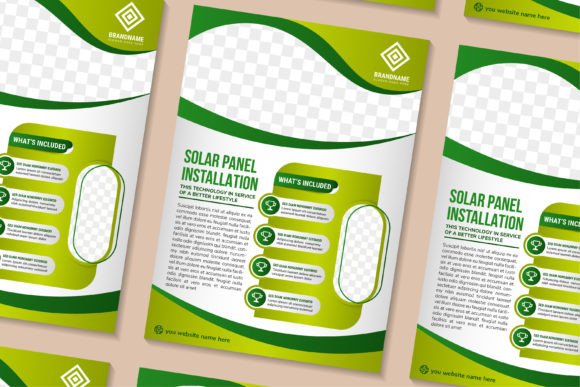
The Solar Panel Vertical Flyer design immediately strikes me as confident and contemporary. It has that clean, infographic-inspired layout you see in modern business materials. The vertical orientation and structured composition give it a sense of order and clarity. For an embroidery project, this translates into a design that feels professional and intentional, rather than purely decorative. It carries a mood of innovation and forward-thinking, which is perfect for products aimed at environmentally conscious customers, tech enthusiasts, or as a personalized gift for someone in that field.
This isn't a whimsical, scattered motif; it's a cohesive graphic. The level of detail suggests it's meant to be read as a complete visual statement. As a designer, I see this belonging beautifully on items where the message matters: a custom embroidered tote bag for a solar company's event swag, a neat patch on a work apron, or a subtle yet smart detail on the sleeve of a tech-themed sweatshirt.
Where This Design Shines in Real Projects
Let's walk through some real scenarios. Picture a high-quality cotton tote bag. This Solar Panel Vertical Flyer, stitched in a crisp combination of greens, blues, and perhaps a metallic silver thread, would look exceptionally sharp. It would elevate a simple bag into a statement piece for a craft fair or an Etsy listing focused on eco-friendly merchandise. The vertical layout naturally fits the center panel of a bag beautifully.
For custom apparel, like a polo shirt or a structured sweatshirt, this design offers a professional touch that small business owners could use for branding. It's more nuanced than a simple logo. As a personalized gift—think a kitchen towel or pillow cover for a friend who just installed solar panels—it feels thoughtful and uniquely tailored to their interests.
In the realm of baby items or nursery decor, a simplified version of this theme (focusing on the core graphic elements) could be charming on a blanket, suggesting a modern, sustainable world for the new generation. The design's inherent structure also makes it a strong candidate for an embroidered patch. A patch can be applied to anything, and this design’s clear, icon-driven layout would maintain its integrity even at a slightly smaller scale.
Navigating the Practical Stitching Considerations
This is where the designer's review gets real. A design with this kind of layout potential also requires some practical forethought for embroidery success.
Fabric and Placement Choices
This design, with its likely areas of fill stitch and defined lines, would perform best on stable, smooth fabrics. Think mid-weight cotton, canvas for tote bags, or firm polyester blends for apparel. I'd be cautious with highly textured fabrics like loose knits or very thin, stretchy materials, as the detail could get lost or distort. For curved surfaces like caps, the vertical orientation and possible rectangular elements might require careful digitizing adaptation to look natural.
Dark fabric backgrounds are a classic challenge. With this solar panel theme, which likely relies on clean lines and contrast, using light or bright thread colors on a dark garment would be essential to maintain visual appeal and stitching clarity. The professional feel depends on that crispness.
Detail Density and Scale
Here's a crucial note: always test on scrap fabric first. Without knowing the exact stitch count or density from the product description, I would advise testing at your intended hoop size. Check the small details—any tiny lettering or intricate infographic symbols. Are they becoming a blur of dense stitches, or are they clearly defined? A design like this should look clean, not overloaded. If you plan to scale it down for a baby item or a cap, inspect those details even more closely. They might need simplification to remain stitchable and legible.
The Commercial and Giftability Factor
For small shop owners and Etsy sellers, this design can add significant product value. An embroidered tea towel or apron with this modern, topical graphic looks curated and thoughtful. It boosts customer trust by showing attention to theme and quality. For a handmade presentation, it speaks to a niche audience, making the item feel less generic and more like a specialized product. This enhances brand consistency for creators focusing on eco-tech themes.
As a gift, it's highly recognizable and personal. A holiday gift for a neighbor who works in renewable energy, embroidered on a pillow cover, carries more meaning than a standard monogram. It shows you paid attention to their passion.
Essential Designer Notes Before You Stitch
Before you commit this design to a final project, run through this quick mental checklist:
- Review the embroidery file details yourself. Confirm the hoop size requirements and stitch types (satin stitch, fill stitch, etc.) to plan your stabilizer needs accordingly.
- Check thread color contrast. Do a digital mockup or sketch out how your chosen palette will work on both light and dark fabric backgrounds.
- Consider the product's life. If it's a kitchen towel or baby item that will need frequent washing, ensure the stitch density and stabilizer use will hold up over time.
- Most importantly, confirm the licensing. Before selling finished items or using this digital embroidery file for commercial embroidery projects, verify the terms. Does it allow for physical product sales? Does it cover digital product previews or printable mockups for your craft business?
The Solar Panel Vertical Flyer is a graphic with strong potential. It moves beyond mere decoration into thematic storytelling. In the hands of a mindful maker, with the right fabric, careful testing, and clear licensing, it can become a standout element on a range of handmade products. It’s a design that asks you to think about its context—and that’s usually a sign of a design worth the thread.